Autism and Education
April is globally observed each year as Autism Awareness
Month, highlighting the rights, inclusion, education, and social protection of
individuals with autism spectrum disorder.
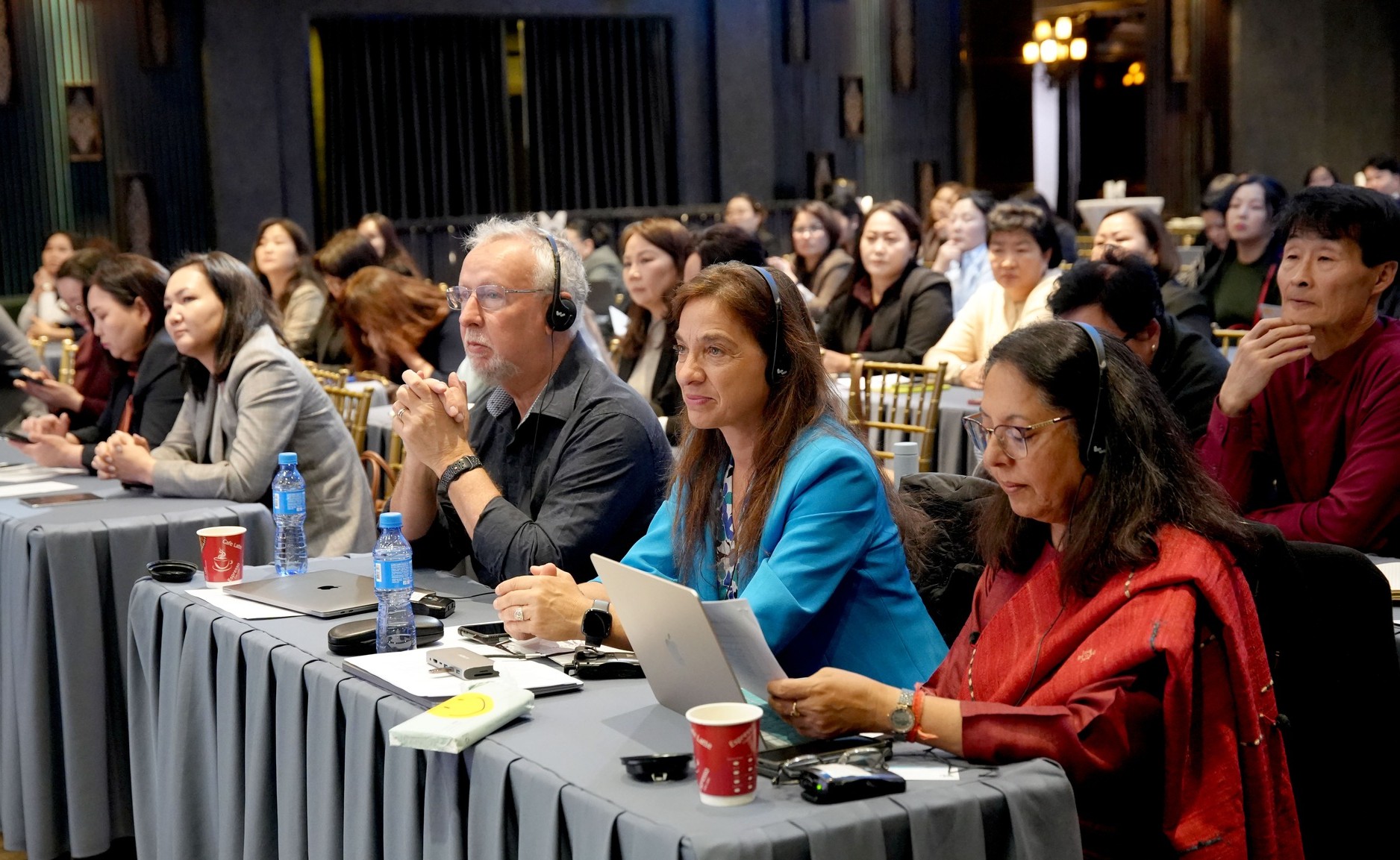
On this occasion, the “Autism and Education” international
conference was jointly organized by the Asakh Gerel Bayasal Centre, the
Ministry of Family, Labour and Social Protection, and the School of Educational
Studies of the Mongolian National University of Education.
The conference brought together representatives from the
Behaviour Analyst Certification Board (BACB), a U.S.-based professional body,
along with internationally recognized specialists in behaviour analysis and
speech therapy, who delivered presentations and shared their expertise.
According to the National Statistics Office, as of 2024,
Mongolia has 107,900 persons with disabilities, accounting for 3.1 percent of
the total population. Of these, 14,600 are children, representing 1.1 percent
of all persons with disabilities. Among them, 2,395 children have been officially
diagnosed with autism.
In recent years, the number of children diagnosed with
autism in Mongolia has steadily increased. In 2022, there were 1,725 children
diagnosed with autism, rising to 2,395 by the end of 2024, including 1,765 in
the capital city and 630 in rural areas.
However, these figures may not fully reflect the actual
situation, as they only include children whose diagnoses have been confirmed
through official commissions in the health, education, and social protection
sectors.