Researchers Recommend Life-Cycle-Based, Cross-Sector Policy Framework
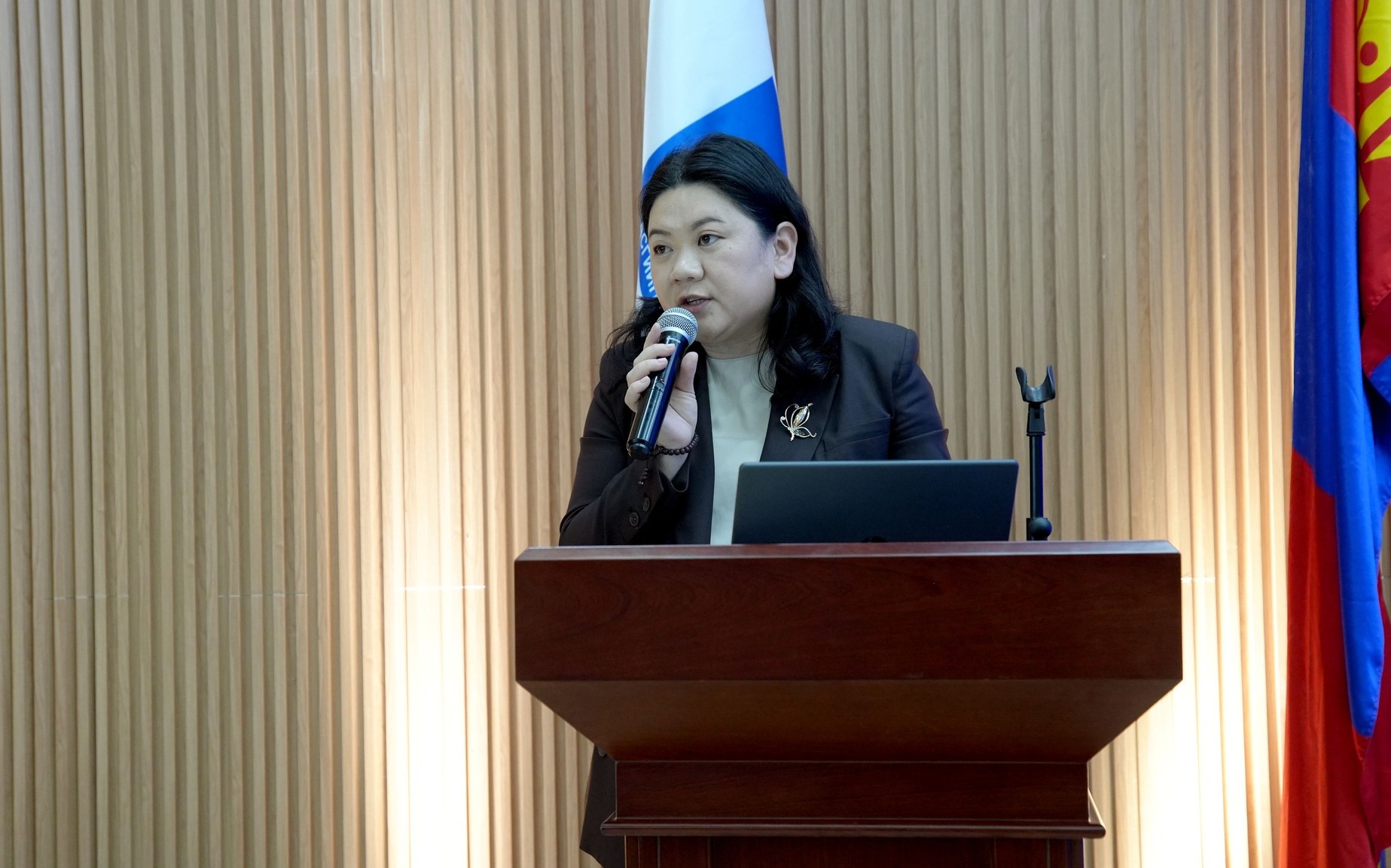
The Ministry of Family, Labour and Social Protection presented the results of three major studies today in collaboration with UNICEF Mongolia, the Population, Labour and Social Protection Training and Research Institute, and Mongolian National University. These studies provide foundational data for policy and development planning:
1. Regional and
Local Demographic Competitiveness Study – This research helps
policymakers:
· Identify the right development direction,
· Allocate resources efficiently, and
· Improve social service coverage to ensure
balanced regional development.
Key
recommendations:
· Policies should be tailored to regional
demographic characteristics rather than applying uniform approaches across all
areas.
· In regions with labour shortages and high youth
outmigration, policies should focus on settlement support, job creation,
education, and service access.
· In highly concentrated urban areas, priority
should be given to housing regulation, infrastructure, and planning social
service capacity.
· Demographic policies must be integrated with
labour market, education, skills development, and settlement policies for a
comprehensive cross-sector approach.
2.
Current Status
and Changes in Mongolian Family Relations – The study examined
family structures, relationships, and emerging challenges:
· 61% of households rely on a single income source
(salary or pension), 30% on two sources, and 8% on three or more. Most
households barely cover daily expenses and debt, with little for savings,
personal development, or leisure.
· Family conflicts often stem from differences in
opinions, excessive alcohol consumption, financial strain, and poor
communication. Young adults (18–34) face particular challenges with housing and
finances.
3.
Mongolia
Fertility Analysis and Policy Study – The research highlights
that:
· Young people still desire children (average
3–4), but delayed fertility is linked to housing instability, income
insecurity, caregiving burdens, and work-life balance challenges.
· Peak fertility is shifting from ages 20–24 to
30–34, indicating the need for age-targeted policy interventions.
Overall Recommendation:
Researchers stress
the need for a life-cycle-based,
integrated cross-sector policy framework. Fertility and family
policies should not operate in isolation but be implemented throughout the life
cycle, linked to economic, social, and labour policies.
These studies are
particularly timely as Mongolia is preparing to revise the Family Law and draft the Law on Family Development, ensuring
policies are informed by evidence and aligned with social well-being goals.
Access the full studies:
·
Regional and Local Demographic
Competitiveness
·
Current Status and Changes in Mongolian
Family Relations
·
Mongolia Fertility Analysis and Policy