Are We Ready for a New Era of Employment?
Under the initiative
of Minister of Family, Labour and Social Protection T. Aubakir, 2026 has been
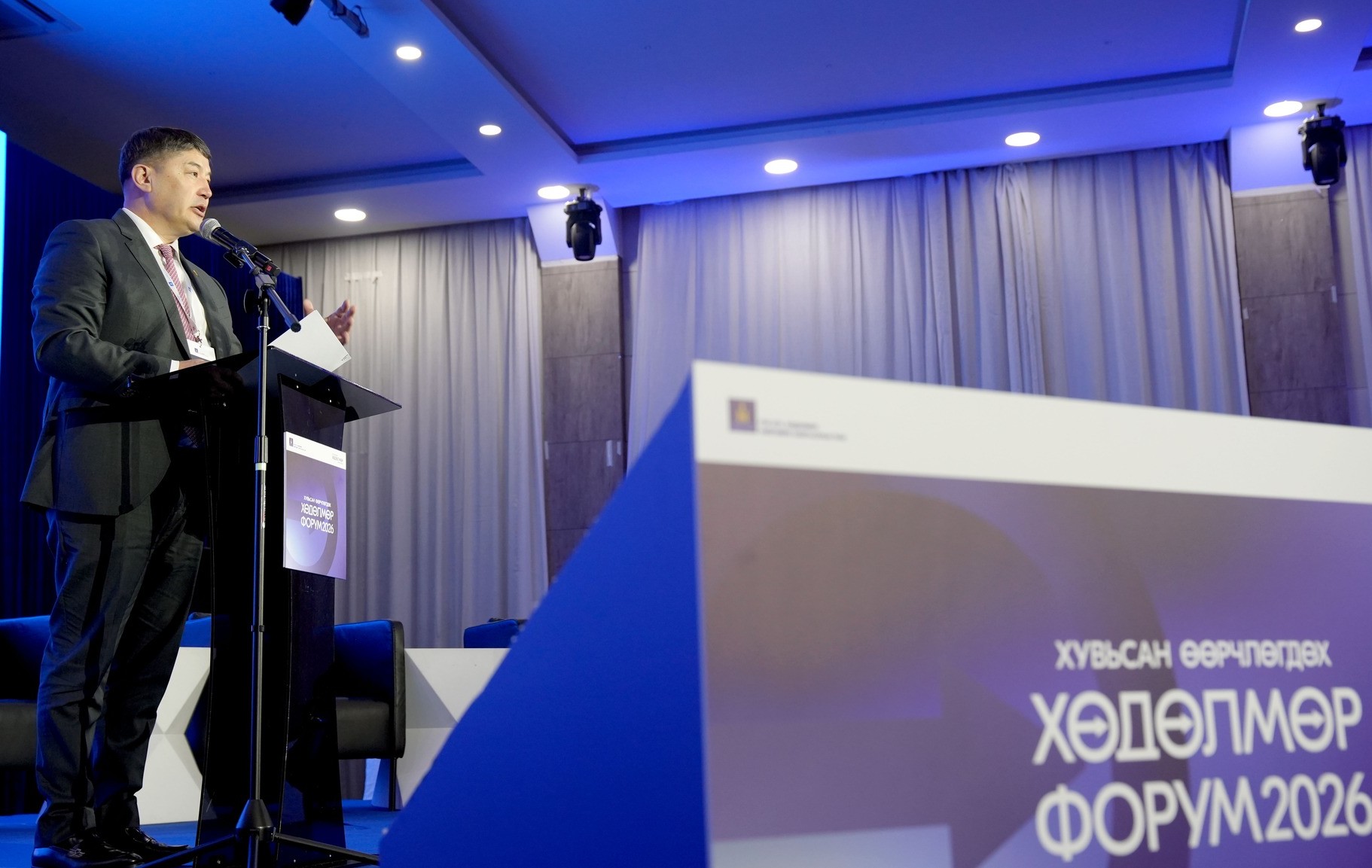
declared the “Year of Employment Promotion” at the sector level. To mark the
launch, the Ministry, in collaboration with the Mongolian Chamber of Commerce
and Industry, organized the “Work in a Changing Environment” forum. The event
discussed the current labour market situation, emerging trends, and key challenges,
and provided a platform for generating recommendations on policy coordination
and labour market reforms across institutions.
Prime Minister G.
Zandanshatar, speaking at the forum, emphasized the impact of technological
development, automation, and artificial intelligence on employment:
“Technological
advancements are transforming the labour market. AI and advanced technologies
are replacing some jobs while demanding new skills, increasing the need for
lifelong learning. Countries must identify the skills required to adjust to
market changes and ensure that people of all ages acquire new education and
skills to enter and transition in the labour market. It is also crucial to
manage the opportunities and risks arising from AI and expand cooperation
between the education and employment sectors.”
He further noted the
importance of evidence-based policy updates and results-oriented cooperation to
respond to rapid labour market changes.
The government’s
2026–2030 development strategy highlights key employment goals, including
preparing human resources aligned with labour market demand, improving
coordination between labour relations, wages, and social insurance, supporting
decent work, and increasing the share of the middle-income population. To
achieve these objectives, the government approved the “300-Day Work Plan to
Deliver Economic Growth to Citizens,” aiming to distribute economic benefits,
protect incomes and livelihoods, foster a favourable business environment, and
increase productivity diversification for stable macroeconomic growth.
During the “Year of
Employment Promotion,” the Ministry will implement policies to:
· Recognize and value caregiving work, address the
gender pay gap, and resolve workplace issues faced by women.
· Adjust
labour market policies to reduce
occupational mismatches, which currently affect 53% of the workforce, and
ensure continuous employment opportunities for youth.
· Provide suitable employment opportunities for
older adults and support their income generation.
Additionally, the
Ministry is drafting a revised Law on Employment Promotion. Key reforms
include:
· Clearly defining target groups for employment
support.
· Introducing a case management methodology into
employment services.
· Expanding the labour registration and
information system into a big-data–based, unified labour market information
platform.
· Strengthening public-private partnerships in
employment support, clarifying the roles and responsibilities of employers and
jobseekers, and enhancing legal compliance monitoring and evaluation mechanisms.