Amendments Approved to the “Regulation on the National Council for Ensuring the Rights of Persons with Disabilities”
Ahead of the
International Day of Persons with Disabilities, the Prime Minister of Mongolia
met on December 2, 2025, with representatives from 21 civil society
organizations working to promote the rights of persons with disabilities.
During the meeting, the NGOs proposed that members of the National Council for
Ensuring the Rights of Persons with Disabilities be selected through an open
and competitive process, that appointments and dismissals follow clear
timelines, and that an oversight body be established under the regulation.
Based on these
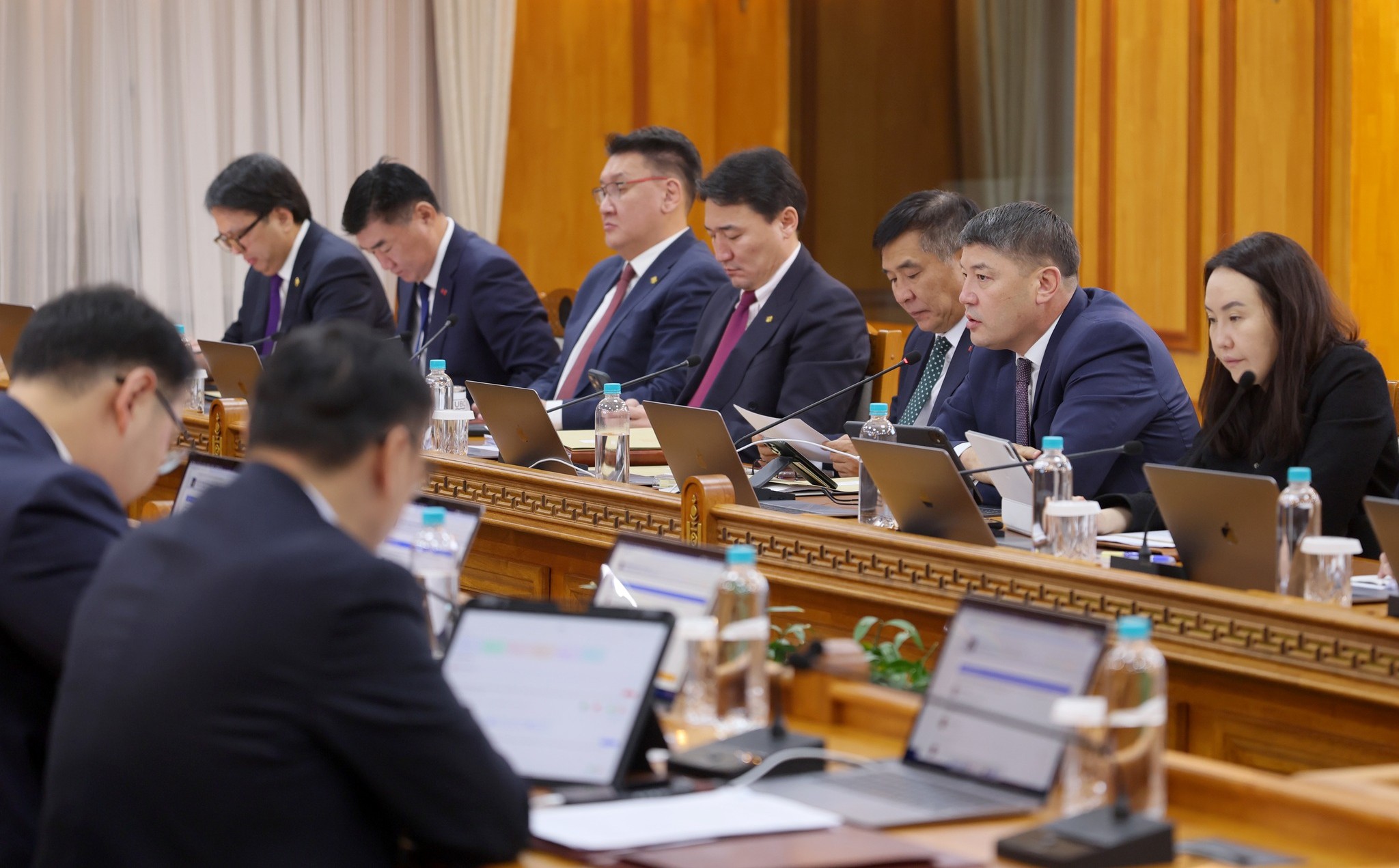
proposals, the Cabinet approved amendments to the “Regulation on the
National Council for Ensuring the Rights of Persons with Disabilities”
on December 3, 2025.
The amendments
include:
·
Introducing an open and competitive selection
process for NGO representatives to serve on the Council;
·
Setting criteria for council membership and
defining the duration of service;
·
Determining the number of NGO representatives on
the Council;
·
Establishing a policy and oversight team under
the Council.
These changes will
allow civil society organizations to participate more effectively in the
Council by providing a transparent selection process for members. The policy
and oversight team will develop policy recommendations, propose legislative
amendments, and conduct independent monitoring of policy implementation. This
is expected to enhance transparency, openness, and the efficiency of public
services.
Furthermore, the
Cabinet decided to draft a parliamentary resolution to designate the General
Agency for the Development of Persons with Disabilities as a
regulatory agency under the authority of the Prime Minister.
As part of efforts
to strengthen the structure and capacity of the new agency, a total of 63 staff
members responsible for disability-related matters will be newly appointed
within provincial and district Labour and Social Welfare Offices. These
measures are expected to improve law enforcement, enhance the quality and
accessibility of health, education, and social protection services for persons
with disabilities, and strengthen early detection, diagnosis, and support
systems for children with disabilities through more stable local commissions.