Mongolian and Kazakh Citizens Can Now Combine Their Work Periods in Both Countries to Qualify for an Old-Age Pension
The citizens of
Mongolia and the Republic of Kazakhstan will now be able to combine the years
they have worked in both countries to qualify for an old-age pension.
The State Great
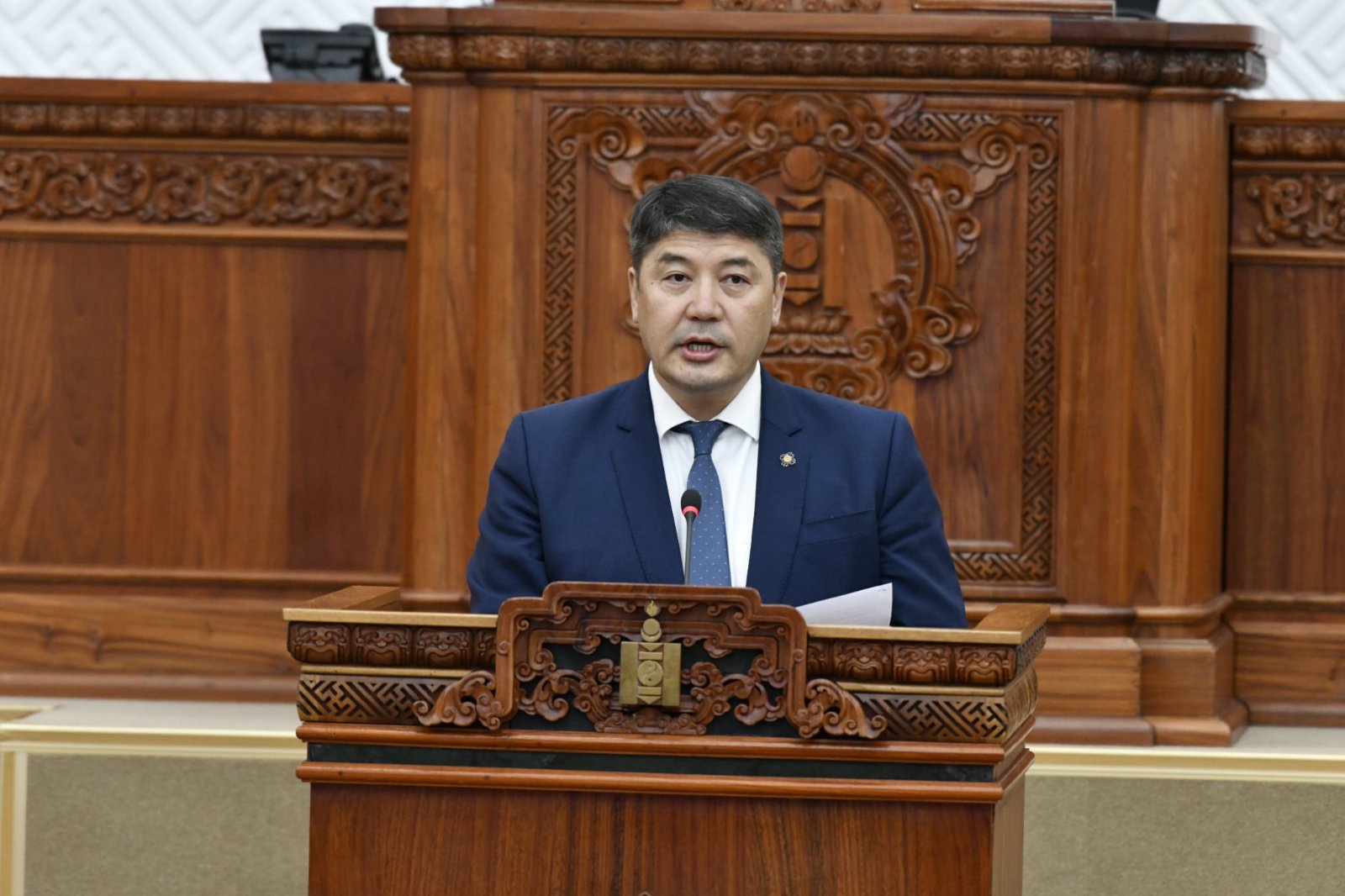
Khural of Mongolia was discussed and ratified the Agreement on
Cooperation in Pension Matters between the Government of Mongolia and
the Government of the Republic of Kazakhstan during its plenary session. A
joint expert working group from both countries developed this agreement,
holding 18 rounds of negotiations since 2018 before finalizing
it.
Once the law is
approved and the agreement enters into force:
· Citizens who have relocated to either country
will be able to combine the periods they worked and paid social insurance
contributions in Mongolia and Kazakhstan before 1998 to
qualify for a pension under the relevant laws of both countries.
· Mongolian citizens who have paid contributions
to Kazakhstan’s accumulative pension fund since 1998 will
become eligible to receive pension benefits from Kazakhstan’s accumulative
pension fund, ensuring stronger long-term social protection for these
individuals.
According to
official data, as of 2023, 8,036 Mongolian citizens reside in
Kazakhstan, of which 3,115 are formally employed, while 564
Kazakh citizens currently reside in Mongolia.
No amendments to
other laws are required for the implementation of this agreement. Since
pensions will be granted in accordance with each country's legal framework, no
additional financial burden will be placed on Mongolia’s Social
Insurance Fund.
To protect the
social security rights of migrant workers and their families, Mongolia has been
actively establishing social security agreements with countries where Mongolian
citizens live and work in large numbers. In addition to the newly ratified
agreement with Kazakhstan, Mongolia currently has similar agreements with six
other countries, and is working to conclude agreements with the Republic
of Austria and Australia, as well as to update
its existing agreement with the Russian Federation.