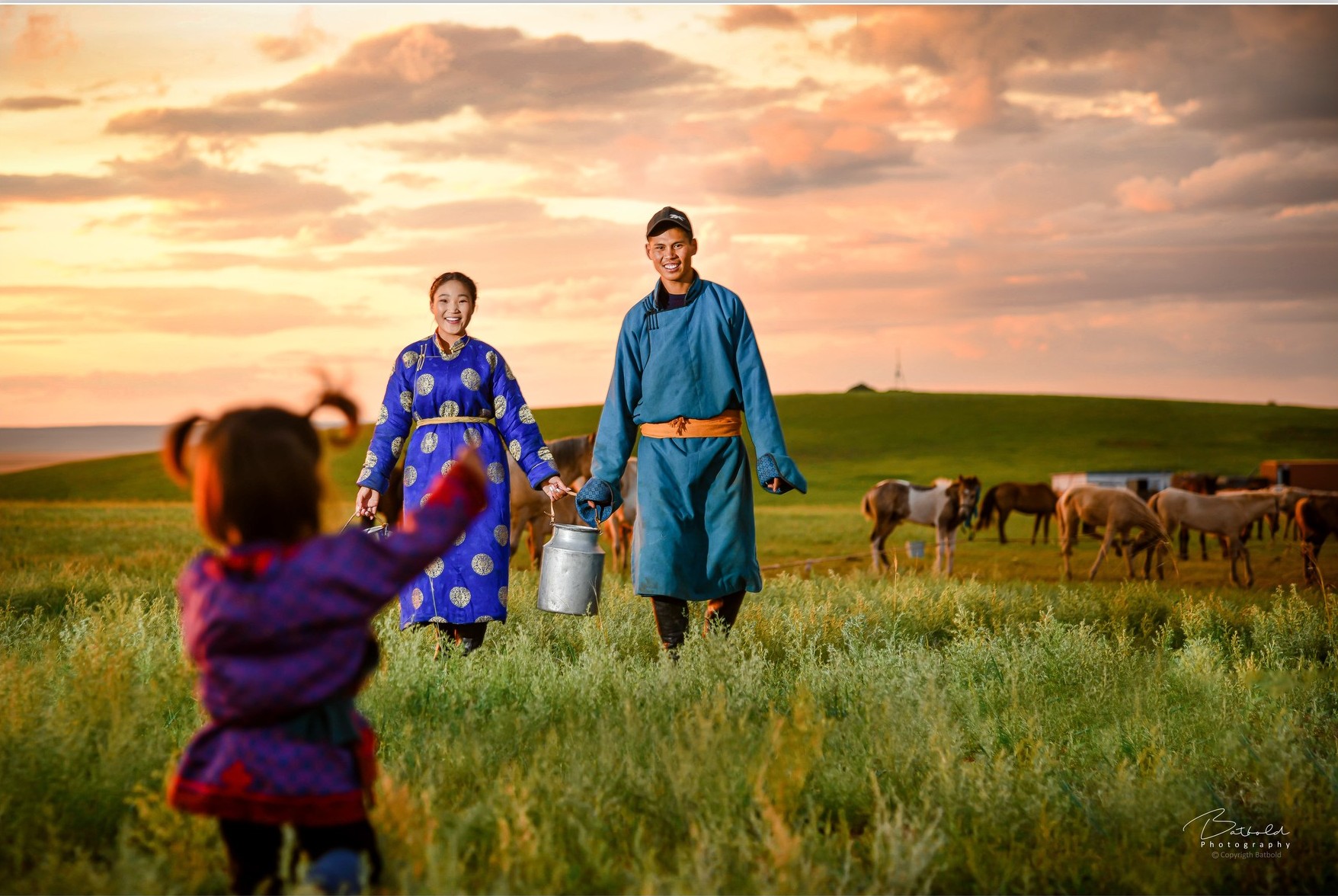
International Day of Rural Women
The International Day of Rural Women is observed annually on
15 October.
In 1982, the United Nations General Assembly adopted the
resolution “Improving the Situation of Rural Women and Girls,” initiated by
Mongolia. Since then, it has become a historically significant document, reaffirmed
every two years, with 98 countries from all regions joining as co-sponsors.
On 10 November 2023, during the plenary meeting of the Third
Committee of the 78th session of the UN General Assembly, Mongolia’s resolution
on “Improving the Situation of Rural Women and Girls” was adopted by consensus.
Today, one in every four people in the world is a rural
woman. Advancing gender equality and empowering rural women is recognized as a
key driver of sustainable development for all.
According to a 2022 World Bank study, 43 percent of the
global population—over three billion people—live in rural areas, and nearly 80
percent of them belong to the world’s poorest and most vulnerable groups.
In Mongolia, climate-change-induced disasters such as
increasingly frequent droughts and dzud events have weakened herders’
livelihoods and economic security, driving growing migration from rural to
urban areas.
This trend has also affected gender balance: among young
herders, 33 percent are women and 67 percent are men.
As more men continue to live and work in agriculture and rural areas, gender
imbalance is increasing and may ultimately impact the traditional nomadic
pastoral culture.
International development goals—including the Sustainable
Development Goals—prioritize rural development and the empowerment of rural
women and girls. UN member states have introduced numerous policies and
initiatives to improve the lives, health, resilience, and well-being of rural,
especially poor and isolated, women and girls.
The Ministry of Family, Labour and Social Protection is
actively implementing policies aimed at promoting gender equality, expanding
investment in the empowerment of rural women and girls, boosting employment
opportunities, and strengthening social protection.